Where Can I Get Mole Mapping in Houston?
Where Can I Get Mole Mapping in Houston?
If you have several moles, it can be difficult to remember exactly what each one looked like six months or a year ago.
Was that spot always there? Has that mole gotten darker? Is it actually larger, or does it just look different today?
That is where mole mapping can help.
If you’ve been searching “Where can I get mole mapping in Houston?”, Go Skin Check offers mole mapping and total-body photography designed to create a visual baseline of your skin that can be used to monitor changes over time.
What Is Mole Mapping?
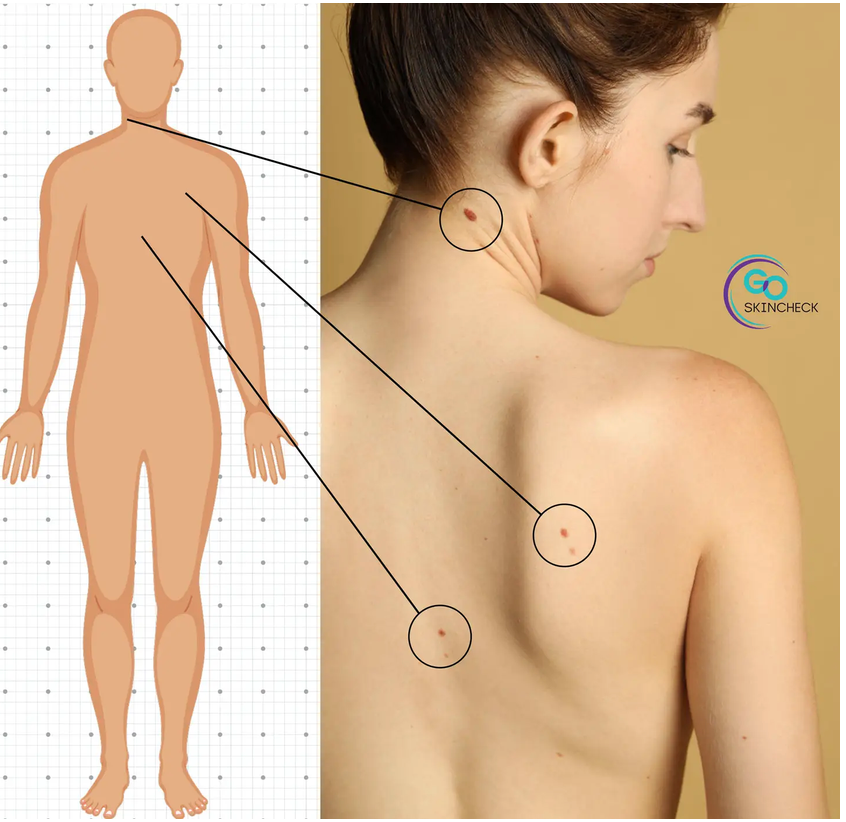
Mole mapping is a method of photographing and documenting the skin so that moles and other lesions can be compared over time.
Depending on the type of mole mapping performed, this can include total-body photography, close-up photographs of individual moles, and dermoscopic images that provide a magnified view of specific lesions.
The purpose is not simply to take pictures of your skin. The images create a baseline that can make it easier to identify new spots or changes in existing moles during future examinations.
Photographic skin surveillance is particularly useful for monitoring changes over time, and total-body photography may be considered for people at increased risk for melanoma, including those with many moles or atypical moles.
How Is Mole Mapping Different From a Regular Skin Check?
A skin check and mole mapping are related, but they are not exactly the same thing.
During a skin examination, the focus is on evaluating your skin as it looks today and identifying areas that may need additional attention.
Mole mapping adds the element of time.
By creating standardized images of your skin, you have something to compare against later. A mole that may not appear especially concerning during one examination could become more significant if future images show that it has changed.
The American Academy of Dermatology also encourages people to become familiar with their own moles and monitor their skin for changes. Spots that are different from others or that change, itch, or bleed should be evaluated by a dermatologist.
Mole mapping provides a more systematic way to document those changes.
Who May Benefit From Mole Mapping?
Mole mapping can be useful for someone who wants a clearer record of what their skin looks like today, particularly if keeping track of individual spots has become difficult.
It may be especially helpful for people who:
- have many moles
- have atypical or unusual-looking moles
- have difficulty seeing areas such as their back
- have noticed moles changing over time
- have a personal history that places them at higher risk for melanoma
- want baseline photographs for future comparison
Having many moles is itself associated with a higher melanoma risk, and dermatology guidance recommends appropriate professional skin examinations for people with a large number of moles.
That does not mean everyone with several moles has skin cancer. Mole mapping is about making changes easier to recognize and giving you and your dermatology care team better information to work with over time.
What Happens During a Mole Mapping Visit?
During a Go Skin Check mole mapping visit, standardized images are taken to document the skin and establish a baseline.
Depending on your needs, this may include full-body skin photography, closer images of individual lesions, and dermoscopic imaging of specific moles or spots.
The images are securely stored so they can be used for future comparison and longitudinal monitoring.
Go Skin Check uses professional dermatology imaging technology that allows clinical and dermoscopic photographs to be documented and tracked over time.
This is different from having dozens of random photographs of your moles stored in your phone. Consistent imaging and documentation make it easier to know which lesion you are looking at and whether a true change has occurred.
Does Mole Mapping Diagnose Skin Cancer?
Mole mapping is a monitoring tool. It does not replace a professional evaluation or a biopsy when one is needed.
The photographs can help identify a lesion that is new or changing, but a dermatologist still needs to evaluate concerning findings.
If a mole appears suspicious, additional evaluation may be recommended. In some cases, the next step may be a biopsy, which allows tissue to be examined to determine exactly what the lesion is.
This is an important distinction: mole mapping helps us see change. Dermatologic evaluation helps determine what that change means.
Where Can I Get Mole Mapping in Houston?
Go Skin Check provides mole mapping, total-body photography, skin checks, and dermoscopic imaging in the Greater Houston area.
Our mobile model also makes it possible to have your images captured where you are rather than having to begin the process inside a traditional dermatology office.
If you have multiple moles or simply wish you had a better way to remember exactly what your skin looked like from year to year, creating a baseline can give you something far more reliable than memory alone.
Schedule your Go Skin Check mole mapping visit and start building a record of your skin that you can follow over time.